
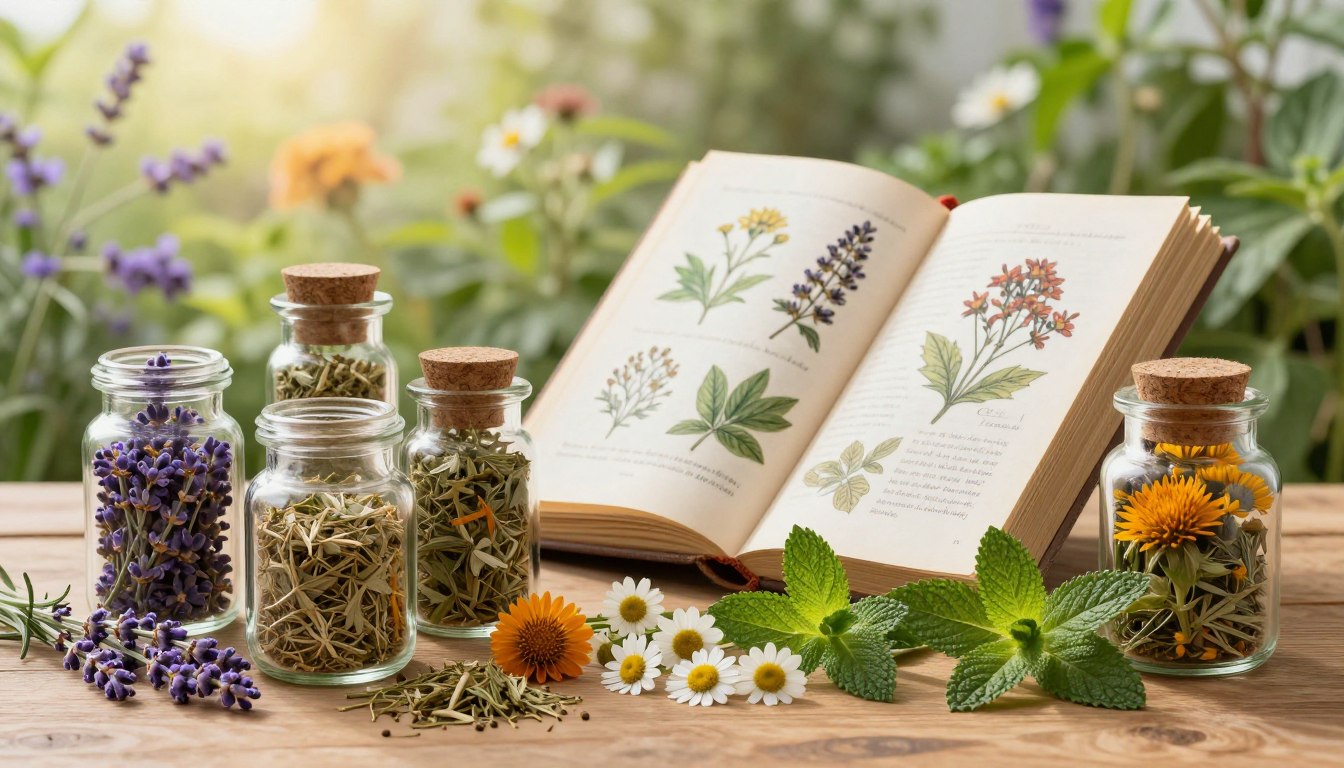
Are you aware of the healing power of plants that have been used for centuries in various cultures? In recent years, there has been a significant resurgence in the use of herbal medicine as people seek more natural approaches to health and wellness.
The popularity of herbal remedies is not just a trend; it’s a return to the roots of medicine itself. Understanding the benefits and uses of these natural remedies can be a powerful tool in maintaining your health.
Key Takeaways
- Herbal medicine has been used for centuries across various cultures.
- There’s a growing interest in natural health approaches.
- Understanding herbal remedies can enhance your health and wellness.
- Herbal medicine offers a range of benefits for different health needs.
- Knowing how to use herbal remedies effectively is crucial.
The Ancient Wisdom of Herbal Medicine
The ancient wisdom of herbal medicine is a testament to the enduring power of nature in healing and health. For thousands of years, various cultures have relied on medicinal herbs to prevent and treat illnesses, passing down their knowledge through generations.
Historical Use of Medicinal Plants
Ancient civilizations such as the Egyptians, Greeks, and Chinese were known to use herbal remedies for a wide range of health issues. These early practitioners observed the effects of different plants on the human body and developed sophisticated systems of herbal medicine.
Why Natural Remedies Are Gaining Popularity Today
In recent years, there has been a resurgence of interest in herbal remedies due to their perceived safety and effectiveness. Many people are seeking natural alternatives to conventional pharmaceuticals, driven by concerns over side effects and the desire for more holistic approaches to health.
| Herb | Traditional Use | Modern Application |
|---|---|---|
| Echinacea | Immune system support | Boosting immunity during cold and flu season |
| Ginger | Digestive aid | Relieving nausea and digestive discomfort |
| Turmeric | Anti-inflammatory | Reducing inflammation and improving joint health |
As we continue to explore the world of herbal medicine, it’s clear that these natural remedies offer a wealth of benefits for our health and wellbeing.
Most Common Medicinal Herbs Explained
Understanding medicinal herbs is crucial for anyone interested in natural health, as these plants provide a foundation for many traditional and modern remedies. Medicinal herbs have been used for centuries to promote health and well-being, offering a natural alternative to synthetic pharmaceuticals.
What Defines a Medicinal Herb
A medicinal herb is defined by its therapeutic properties, which are derived from its bioactive compounds. These plants have been used in various cultures for their healing properties, ranging from relieving symptoms to treating chronic conditions.
Understanding Active Compounds in Herbs
The active compounds in medicinal herbs are responsible for their therapeutic effects. For example, antioxidants help protect against cell damage, while anti-inflammatory compounds can reduce inflammation and alleviate pain. Understanding these compounds is key to harnessing the full potential of medicinal herbs.
How Herbs Differ from Pharmaceutical Medicines
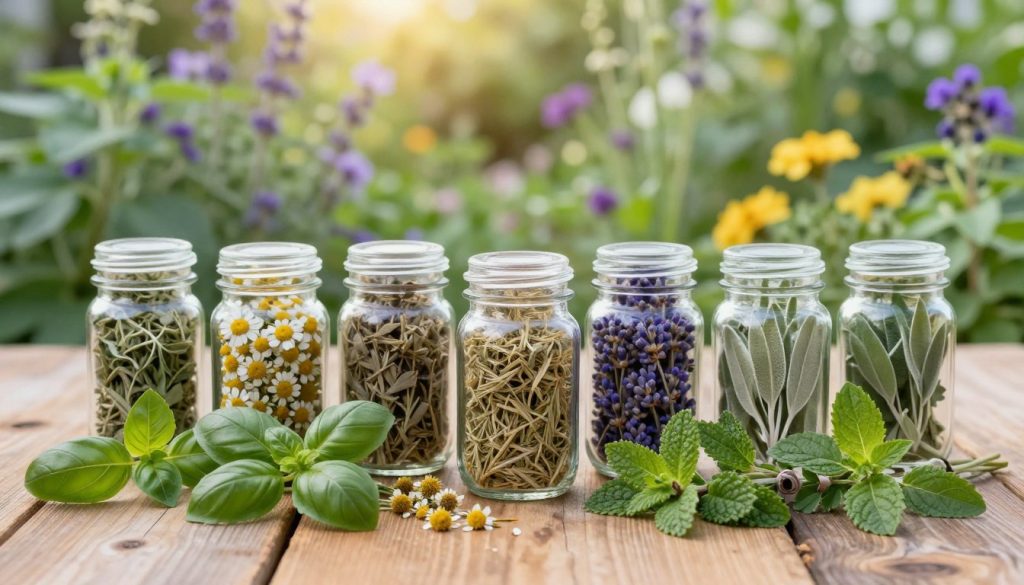
Unlike pharmaceutical medicines, which are often synthesized in a lab, medicinal herbs are derived from nature. This natural origin means that herbs typically have a more holistic effect on the body, working in harmony with its natural processes. The table below highlights some key differences:
| Characteristics | Medicinal Herbs | Pharmaceutical Medicines |
|---|---|---|
| Origin | Natural, derived from plants | Synthesized in a lab |
| Effect on Body | Holistic, works with natural processes | Targeted, often specific to a condition |
| Side Effects | Generally fewer side effects | Can have significant side effects |
By understanding the unique properties and benefits of medicinal herbs, individuals can make informed choices about their health and wellness, leveraging the power of natural healing plants to enhance their quality of life.
Essential Medicinal Herbs for Your Home Apothecary
A well-stocked home apothecary is a valuable resource for natural health and wellness. By incorporating the right medicinal herbs, you can create a comprehensive natural health toolkit.
Echinacea: Immune System Support
Echinacea is renowned for its ability to support the immune system. It is often used to prevent illness and promote overall health. Studies have shown that Echinacea can help reduce the severity and duration of colds and flu.
Chamomile: Relaxation and Digestive Health
Chamomile is a versatile herb that promotes relaxation and soothes digestive issues. It is commonly consumed as a tea to calm nerves and aid in sleep.
Ginger: Digestive Aid and Anti-inflammatory
Ginger is a powerful anti-inflammatory herb that aids in digestion and relieves nausea. It can be consumed fresh, dried, or in supplement form.
Turmeric: Anti-inflammatory and Antioxidant
Turmeric contains curcumin, a compound with potent anti-inflammatory and antioxidant properties. It is effective in managing chronic pain and inflammation.
Lavender: Stress Relief and Sleep Aid
Lavender is known for its calming effects and is often used in aromatherapy to relieve stress and promote better sleep. It can be used in essential oil form or as a dried herb.
Peppermint: Digestive Support and Pain Relief
Peppermint is a refreshing herb that supports digestive health and relieves headaches and muscle pain. It is commonly used in tea and topical applications.
These medicinal herbs are essential additions to any home apothecary, offering a range of health benefits from immune support to stress relief. By understanding their uses, you can harness their potential to enhance your natural health routine.
- Echinacea for immune system support
- Chamomile for relaxation and digestive health
- Ginger for digestive aid and anti-inflammatory benefits
- Turmeric for its anti-inflammatory and antioxidant properties
- Lavender for stress relief and sleep aid
- Peppermint for digestive support and pain relief
Incorporating these herbs into your daily routine can significantly improve your overall well-being. Whether through teas, tinctures, or topical applications, these herbal supplements offer a natural approach to health and wellness.
How to Identify and Source Quality Medicinal Herbs
Identifying and sourcing the right medicinal herbs is essential for those looking to harness their natural benefits. The process involves understanding the differences between various sourcing methods and knowing what to look for in quality herbs.
Wild Harvesting vs. Store-Bought Options
Wild harvesting involves collecting herbs from their natural habitats, which can be a cost-effective way to obtain them. However, it requires knowledge to identify the correct plants and ensure they are free from contaminants. Store-bought options, on the other hand, offer convenience and often come with quality guarantees.
Organic vs. Conventional Herbs
Organic herbs are grown without synthetic pesticides or fertilizers, making them a preferable choice for those seeking to avoid chemicals. Conventional herbs may be more affordable but could contain residues from chemical treatments.

Reliable Sources for Purchasing Medicinal Herbs
Finding reliable sources is crucial for ensuring the quality of medicinal herbs. Two primary sources are local herb shops and reputable online retailers.
Local Herb Shops and Farmers Markets
Local herb shops and farmers markets can provide high-quality, fresh herbs. They also offer the opportunity to inspect the products and ask questions about their sourcing and processing.
Reputable Online Retailers
Reputable online retailers can be a convenient source for medicinal herbs. Look for retailers that provide detailed product information, including sourcing and testing data.
| Source | Advantages | Disadvantages |
|---|---|---|
| Wild Harvesting | Cost-effective, potentially higher potency | Risk of misidentification, exposure to contaminants |
| Store-Bought (Organic) | Quality guaranteed, free from synthetic chemicals | Higher cost, potential for variability in quality |
| Store-Bought (Conventional) | Generally more affordable | Potential for chemical residues, variable quality |
Growing Your Own Medicinal Herb Garden
With a little planning and care, you can cultivate a thriving medicinal herb garden that meets your health needs. Growing your own medicinal herbs allows you to have fresh, potent herbs at your fingertips, ensuring you reap the most common medicinal herbs explained benefits.
Easiest Herbs for Beginners to Grow
For those new to gardening, herbs like chamomile, lavender, and peppermint are excellent choices. They are hardy, easy to care for, and offer numerous medicinal herb benefits.
Essential Growing Conditions
Most medicinal herbs require well-drained soil and plenty of sunlight. Understanding the specific growing conditions for each herb will help you create an optimal environment.
Harvesting and Preserving Your Herbs
Harvest your herbs at the right time to maximize their potency. Techniques like drying, freezing, or making infusions can help preserve your herbs for future use, ensuring you can enjoy their benefits year-round.
By following these simple steps, you can enjoy a bountiful harvest from your medicinal herb garden, reaping the rewards of your labor and care.
Preparation Methods for Maximum Effectiveness
Maximizing the benefits of medicinal herbs starts with understanding how to prepare them properly. The preparation method can significantly impact the efficacy of the herbal remedy. By choosing the right preparation technique, you can ensure that your herbal remedies provide the desired health benefits.
Making Herbal Teas and Infusions
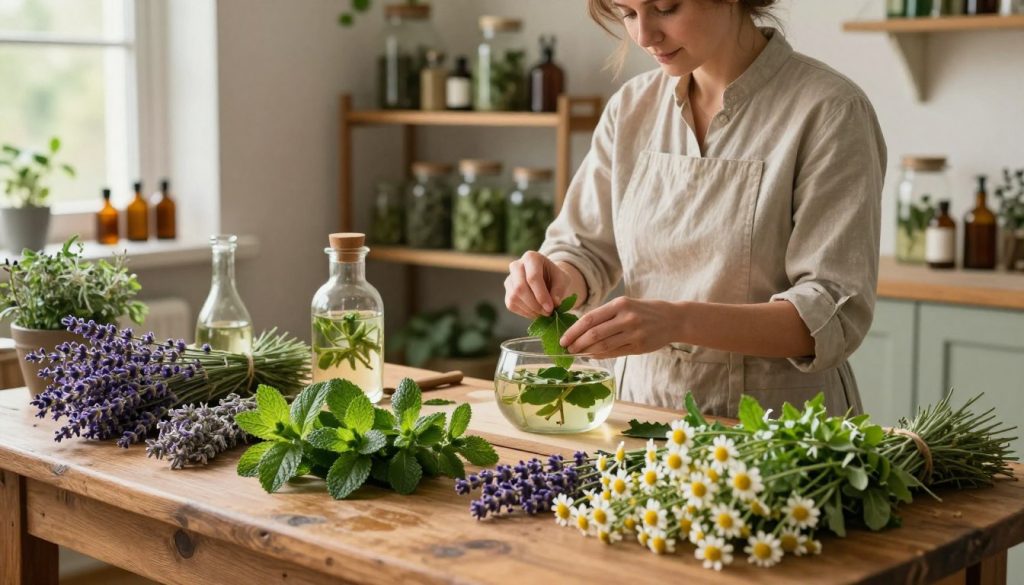
One of the simplest and most popular ways to prepare medicinal herbs is by making teas or infusions. This method involves steeping the herbs in hot water to release their active compounds. Herbal teas are particularly effective for digestive issues and relaxation.
To make an herbal tea, use one teaspoon of dried herbs (or two teaspoons of fresh herbs) per cup of boiling water. Steep for 5-10 minutes, depending on the herb and desired strength. Strain and enjoy. Popular herbs for teas include peppermint, chamomile, and ginger.
Creating Tinctures and Extracts
Tinctures and extracts are concentrated forms of herbal remedies that offer a potent dose of the herb’s active ingredients. They are made by soaking the herbs in a solvent, such as alcohol or glycerin, which extracts the medicinal properties.
The benefits of tinctures include their long shelf life and ease of use. They can be taken sublingually (under the tongue) or added to water or tea. Popular herbal remedies like echinacea and turmeric are often made into tinctures.
Topical Applications: Salves and Poultices
Topical applications, such as salves and poultices, provide a direct way to apply herbal remedies to the skin. Salves are semi-solid preparations that are rubbed onto the skin, while poultices are moist applications that are applied directly to the affected area.
These methods are effective for localized pain, inflammation, and skin issues. Herbs like lavender and arnica are commonly used in salves and poultices for their therapeutic properties.
Herbal Capsules and Powders
For those who prefer a more convenient option, herbal capsules and powders offer an easy way to incorporate medicinal herbs into your daily routine. Capsules contain a precise dose of the herb, while powders can be mixed into food or drinks.
Herbal capsules and powders are particularly useful for herbs that have a strong taste or odor, making them easier to consume. They provide a straightforward way to benefit from herbal remedy benefits without the need for preparation.
Embracing the Power of Medicinal Herbs
As we’ve explored throughout this herbal medicine guide, medicinal herbs offer a wealth of benefits for overall health and wellness. From immune system support to stress relief, these natural remedies have been used for centuries to promote healthy living.
By incorporating herbal supplements into your daily routine, you can take a proactive approach to maintaining your health. Whether you’re looking to soothe a digestive issue or simply promote relaxation, there’s a medicinal herb that can help.
As you continue on your journey to discover the world of medicinal herbs, remember to source high-quality herbs and follow proper preparation methods to maximize their effectiveness. With the knowledge and insights gained from this guide, you’re well on your way to harnessing the power of nature’s medicine.