
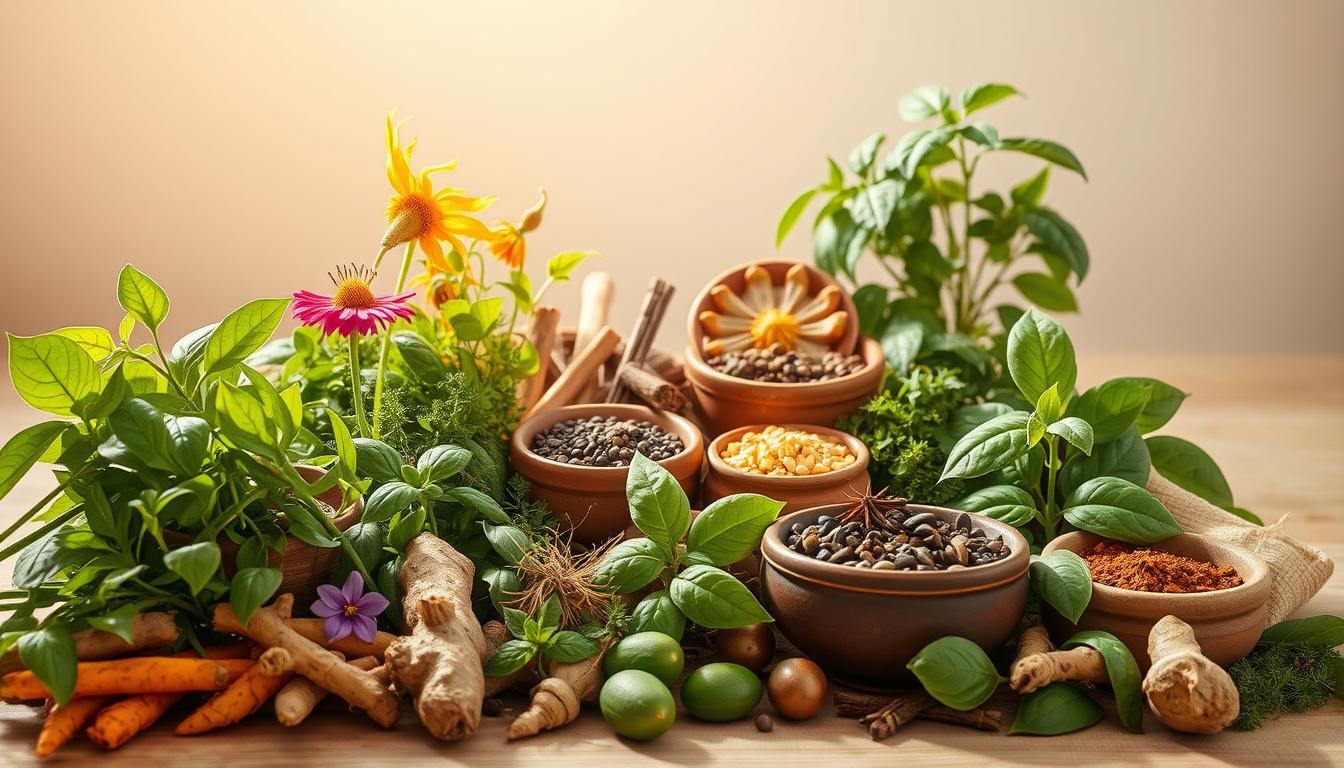
Ayurvedic herbs have been used for centuries in traditional Indian medicine to promote overall holistic wellness. But what makes them so effective in maintaining health?
The answer lies in their natural properties, which work in harmony with the body’s own healing processes. By incorporating these herbs into your daily routine, you can experience a range of benefits, from improved physical health to enhanced mental clarity.
As we explore the world of Ayurvedic herbs, you’ll discover the most effective natural remedies for achieving optimal health. Whether you’re looking to boost your energy or simply feel more balanced, these ancient herbs hold the key to unlocking a healthier, happier you.
Key Takeaways
Table of Contents
- Ayurvedic herbs promote holistic wellness by working in harmony with the body’s natural healing processes.
- These natural remedies can improve physical health and enhance mental clarity.
- Incorporating Ayurvedic herbs into your daily routine can lead to optimal health and well-being.
- Ayurvedic herbs have been used for centuries in traditional Indian medicine.
- They offer a natural solution for achieving balance and boosting energy.
The Ancient Wisdom of Ayurvedic Medicine
Ayurvedic medicine is an ancient system that focuses on balancing the body, mind, and spirit. This traditional practice has been a cornerstone of health and wellness for thousands of years, offering numerous ayurveda benefits that are still relevant today.
The Three Doshas and Body Constitution
In Ayurveda, every individual is unique, with a distinct body constitution determined by three doshas: Vata, Pitta, and Kapha. Understanding one’s dosha is crucial for maintaining health and preventing disease, as it guides personalized dietary and lifestyle choices.
Principles of Herbal Healing in Ayurveda
Ayurvedic herbal healing is based on the principle that plants have the power to restore balance to the body and mind. Herbs are selected based on their properties and the individual’s dosha, providing a holistic approach to health that complements modern traditional medicine.
By understanding the principles of Ayurvedic medicine and incorporating its practices into daily life, individuals can experience the numerous ayurveda benefits, from improved health to enhanced well-being.
Best Ayurvedic Herbs for Health and Immunity
In the realm of Ayurvedic medicine, certain herbs stand out for their ability to enhance overall health and strengthen the immune system. These herbs have been used for centuries in traditional Indian medicine and are now gaining recognition worldwide for their potent health benefits.
Ashwagandha: The Stress-Fighting Adaptogen
Ashwagandha is renowned for its stress-fighting properties. It’s an adaptogen that helps the body resist stressors and promotes overall well-being. Ashwagandha can enhance endurance, improve sleep quality, and boost cognitive function.
How to Use Ashwagandha
Ashwagandha can be consumed in various forms, including capsules, powders, and teas. The recommended dosage is typically between 300-500 mg per day. It’s advisable to consult with a healthcare professional before starting any new supplement regimen.
Turmeric: The Golden Anti-inflammatory
Turmeric contains curcumin, a powerful anti-inflammatory compound. Turmeric has been shown to reduce inflammation, improve joint health, and enhance cognitive function.
Preparing Golden Milk
One popular way to consume turmeric is by making golden milk. Mix 1 teaspoon of turmeric powder with warm milk (dairy or non-dairy), add a pinch of black pepper to enhance curcumin absorption, and sweeten with honey to taste.
Tulsi (Holy Basil): The Sacred Immune Booster
Tulsi is revered in Ayurveda for its immune-boosting properties. It’s rich in antioxidants and has been shown to reduce stress and improve respiratory health.
Making Tulsi Tea
To make Tulsi tea, steep a few leaves of fresh Tulsi in boiling water for 5-7 minutes. Strain and enjoy. You can add honey or lemon to taste.

Powerful Digestive Herbs in Ayurvedic Tradition
A healthy digestive system is crucial for overall well-being, and Ayurvedic tradition offers numerous herbal remedies to support it. Digestive health is fundamental to the body’s ability to absorb nutrients, eliminate waste, and maintain a strong immune system.
Triphala: The Three-Fruit Digestive Remedy
Triphala is a blend of three fruits: Amalaki, Haritaki, and Bibhitaki. It’s known for its gentle yet effective digestive cleansing properties. Triphala helps maintain a healthy balance of the three doshas, promoting regular bowel movements and supporting the body’s natural detoxification processes.
Ginger: The Universal Digestive Medicine
Ginger is widely used in Ayurvedic medicine for its digestive benefits. It stimulates digestion, reduces nausea, and alleviates symptoms of bloating and gas. Ginger can be consumed fresh, dried, or as a tea, making it a versatile addition to daily routines.
Fennel and Cumin: Carminative Spices
Fennel and cumin seeds are carminative spices that help reduce gas and bloating. They can be chewed after meals or brewed into a tea. These spices not only aid digestion but also add flavor to various dishes, making them a practical and beneficial addition to a healthy diet.
Ayurvedic Herbs for Mental Clarity and Stress Relief
In today’s fast-paced world, maintaining mental clarity and managing stress are crucial for overall well-being. Ayurvedic herbs have been used for centuries to support cognitive function, enhance memory, and alleviate stress. These natural remedies offer a holistic approach to mental health, promoting balance and harmony within the body and mind.
Brahmi (Bacopa Monnieri): The Cognitive Enhancer
Brahmi is renowned for its ability to enhance cognitive function, improve memory, and boost concentration. This herb is particularly beneficial for individuals seeking to improve their mental clarity and focus. Studies have shown that Brahmi can enhance memory formation and retention, making it a valuable tool for students and professionals alike.
Shankhpushpi: The Memory and Focus Herb
Shankhpushpi is an Ayurvedic herb traditionally used to improve memory, concentration, and mental clarity. It is believed to nourish the nervous system and promote cognitive health. This herb is often consumed as a juice or decoction to enhance mental function and reduce stress.
Jatamansi and Ashwagandha: Natural Anxiety Relievers
Jatamansi and Ashwagandha are two powerful Ayurvedic herbs known for their stress-relieving properties. Jatamansi is used to calm the mind and promote relaxation, while Ashwagandha is an adaptogen that helps the body adapt to stress. Together, they form a potent combination for managing anxiety and promoting mental well-being.
| Herb | Primary Benefits | Usage |
|---|---|---|
| Brahmi | Cognitive enhancement, memory improvement | Powder, capsules |
| Shankhpushpi | Memory, concentration, mental clarity | Juice, decoction |
| Jatamansi | Stress relief, calming the mind | Tea, powder |
| Ashwagandha | Stress adaptation, anxiety relief | Powder, capsules |

How to Incorporate Ayurvedic Herbs into Your Daily Routine
Incorporating Ayurvedic herbs into your daily routine can be a simple yet effective way to enhance your overall well-being. By making a few mindful changes to your daily habits, you can harness the power of these natural remedies to improve your health and promote holistic wellness.
Morning Ritual with Ayurvedic Herbs
Starting your day with Ayurvedic herbs can set a positive tone for the rest of the day. One effective morning ritual involves tongue scraping followed by drinking a soothing herbal tea.
Tongue Scraping and Herbal Teas
Tongue scraping helps remove toxins and bacteria from the tongue, promoting oral health and freshness. Following this with a cup of herbal tea, such as tulsi or ginger, can help stimulate digestion and boost immunity.
Cooking with Ayurvedic Herbs and Spices
Incorporating Ayurvedic herbs and spices into your cooking is another effective way to benefit from their healing properties. Simple additions like turmeric to your meals can enhance flavor and provide anti-inflammatory benefits.
Simple Ayurvedic Recipes
Try making a turmeric latte by mixing turmeric powder with milk and honey for a comforting drink. You can also add ginger and cumin to your meals for improved digestion.
Evening Wind-Down with Calming Herbs
Using calming Ayurvedic herbs in the evening can help promote relaxation and prepare your body for restful sleep. Herbs like ashwagandha and jatamansi are known for their calming effects.
Herbal Sleep Remedies
Consider drinking a calming tea, such as chamomile or lavender, before bed to promote a good night’s sleep. You can also try using ashwagandha supplements to help reduce stress and anxiety.
Seasonal Guide to Using Ayurvedic Herbs
The Ayurvedic approach to health includes adjusting our use of herbs according to the seasons to achieve optimal wellness. This seasonal guide helps you incorporate natural remedies into your daily routine for holistic wellness.
Spring and Summer Herbs for Pitta Balance
During spring and summer, the focus is on balancing Pitta dosha. Cooling herbs like cilantro, coriander, and Chrysanthemum are recommended. These herbs help reduce heat and inflammation in the body. Incorporating them into your diet can be as simple as adding fresh cilantro to salads or drinking coriander tea.

Fall and Winter Herbs for Vata and Kapha Balance
In fall and winter, the emphasis shifts to balancing Vata and Kapha doshas. Warm, nourishing herbs like ginger, turmeric, and cinnamon are beneficial. These herbs help to stimulate digestion and boost immunity. For example, ginger tea can be a soothing drink during the cold months, while turmeric adds warmth and flavor to your meals.
Precautions and Best Practices for Ayurvedic Herb Use
The safe and effective use of Ayurvedic herbs requires an understanding of several key factors. While these herbs can offer numerous health benefits, their use must be approached with caution and awareness.
Ayurvedic herbs can interact with conventional medications, potentially leading to adverse effects. For instance, certain herbs may enhance or inhibit the effects of pharmaceutical drugs.
Potential Interactions with Medications
It’s crucial to be aware of potential interactions between Ayurvedic herbs and medications. For example, St. John’s Wort can interact with antidepressants, while Ginkgo Biloba may affect blood clotting. Consulting with a healthcare provider before combining Ayurvedic herbs with conventional medications is essential.
| Ayurvedic Herb | Potential Interaction | Precaution |
|---|---|---|
| St. John’s Wort | Antidepressants | Consult healthcare provider |
| Ginkgo Biloba | Blood thinners | Monitor blood clotting |
| Turmeric | Anti-inflammatory drugs | Be aware of excessive anti-inflammatory effects |
Quality Sourcing and Authenticity
The quality of Ayurvedic herbs is paramount for their safe and effective use. Sourcing herbs from reputable suppliers ensures authenticity and minimizes the risk of contamination or adulteration. Look for products that are certified by recognized organizations.
When to Consult an Ayurvedic Practitioner
Consulting an Ayurvedic practitioner is advisable, especially for individuals with complex health conditions or those taking multiple medications. An experienced practitioner can provide personalized guidance on the safe use of Ayurvedic herbs.
By being mindful of these precautions and best practices, individuals can harness the benefits of Ayurvedic herbs while minimizing potential risks.
Conclusion: Embracing the Healing Power of Ayurvedic Herbalism
Ayurvedic herbs offer a natural and holistic approach to health and wellness. By understanding the benefits of these herbal remedies, individuals can take the first step towards achieving immune system support and overall wellness.
Incorporating wellness herbs into daily routines can have a significant impact on overall health. From stress relief to digestive health, Ayurvedic herbs provide a range of benefits that can be tailored to individual needs.
To experience the full ayurveda benefits, it’s essential to follow ayurvedic health tips and consult with a qualified practitioner when needed. By embracing the healing power of Ayurvedic herbalism, individuals can cultivate a healthier, more balanced lifestyle.
Explore the world of herbal remedies and discover the potential of Ayurvedic medicine to transform your life.