
Can nature’s remedies really transform your health and well-being? For centuries, healing herbs have been used to prevent and treat various ailments, offering a natural alternative to conventional medicine.
As we explore the world of herbalism, you’ll discover how these natural wonders can be harnessed to promote health and vitality. This guide is designed to introduce you to the basics of using natural remedies, empowering you to take control of your well-being.
Key Takeaways
- Understanding the basics of herbalism and its benefits
- Learning how to identify and use common healing herbs
- Discovering how to incorporate natural remedies into your daily routine
- Exploring the potential of herbalism for overall well-being
- Getting started with simple and effective natural remedies
The Ancient Wisdom of Herbal Healing
For centuries, medicinal herbs have been a cornerstone of natural healing practices worldwide. The use of plants for health and wellness has been a universal language, understood and practiced by various cultures throughout history.
Historical Use Across Cultures
Different civilizations have contributed to the rich tapestry of herbal medicine. From the traditional Chinese medicine to Ayurveda in India and the herbal practices of Native Americans, each culture has its unique approach to using herbal remedies.
| Culture | Herbal Practices |
|---|---|
| Traditional Chinese Medicine | Uses herbs like Ginseng and Astragalus for vitality |
| Ayurveda | Employs herbs such as Turmeric and Neem for their healing properties |
| Native American | Utilizes plants like Sage and Echinacea for various ailments |
Science Behind Plant Medicine Effectiveness
Modern science has begun to validate the effectiveness of many traditional herbal remedies through studies on their bioactive compounds. This blend of ancient wisdom and contemporary research strengthens our understanding of natural healing practices.
Setting Up Your Herbal Apothecary
An herbal apothecary is more than just a collection of herbs; it’s a space where nature’s medicine comes alive. To create an effective and enjoyable space for your herbal journey, consider the essentials.
Essential Tools and Equipment
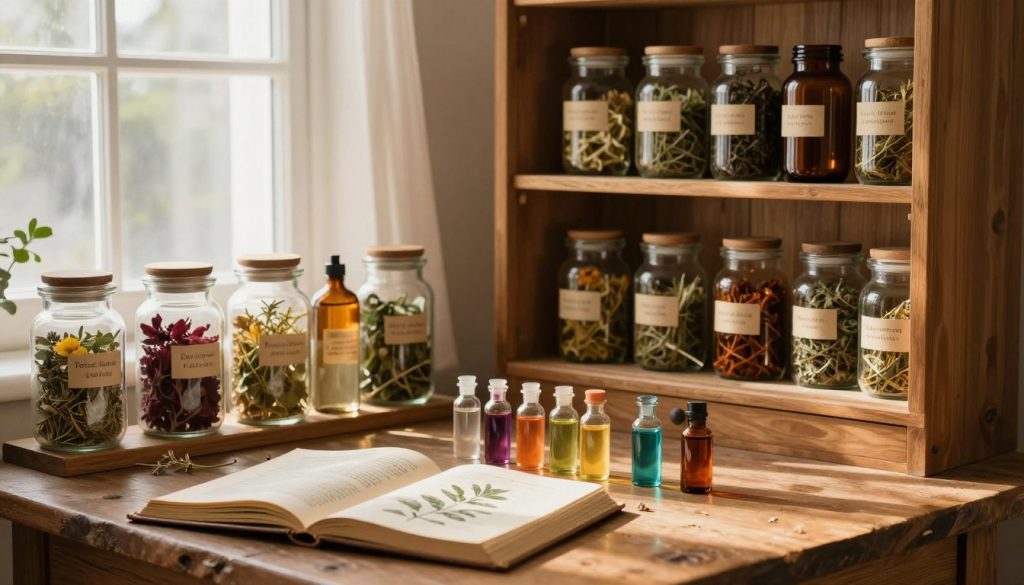
To start, you’ll need basic tools such as a mortar and pestle, glass jars for storage, and a scale. Investing in quality equipment will make a significant difference in your herbal preparation experience.
Creating an Organized Workspace
An organized workspace is crucial for efficiency and safety. Ensure your workspace is clean, well-lit, and organized. Labeling your storage containers can also help you quickly identify the contents.
Storage Solutions for Maximum Potency
To maintain the potency of your herbs, store them in a cool, dry place away from direct sunlight. Using airtight containers can help preserve the quality of your herbs. Consider a storage system that keeps frequently used items accessible.
10 Powerful Healing Herbs Every Beginner Should Know
As you start your journey into the world of herbal healing, it’s essential to familiarize yourself with the most powerful herbs that can transform your health. Healing herbs have been used for centuries to promote wellness and treat various ailments.
Everyday Herbs with Medicinal Properties
Many common herbs are not only great for cooking but also offer significant medicinal benefits. For instance, turmeric contains curcumin, a compound with potent anti-inflammatory properties. Similarly, ginger is known for its digestive benefits and can help alleviate nausea.
Other everyday herbs like peppermint and chamomile are renowned for their calming effects. Peppermint can soothe digestive issues, while chamomile is often used in teas to promote relaxation and improve sleep quality.
Specific Benefits and Applications
Understanding the specific benefits of each herb is crucial for their effective application. For example, echinacea is widely used to boost the immune system and fight off infections. Saint John’s Wort is another herb that has been used for centuries to help manage mood disorders.
Dosage Guidelines for Common Herbs
Knowing the correct dosage is vital when using healing herbs. For instance, a typical dosage for turmeric is about 1.5 to 2 teaspoons per day, while ginger can be consumed in doses of 250 to 500 mg up to four times a day.
- Turmeric: 1.5 to 2 teaspoons per day
- Ginger: 250 to 500 mg up to four times a day
- Peppermint tea: 1 cup after meals
- Chamomile tea: 1 cup before bedtime
It’s also important to consult with a healthcare professional before starting any herbal regimen, especially if you’re already on medication or have underlying health conditions.
Growing Your Own Medicinal Garden
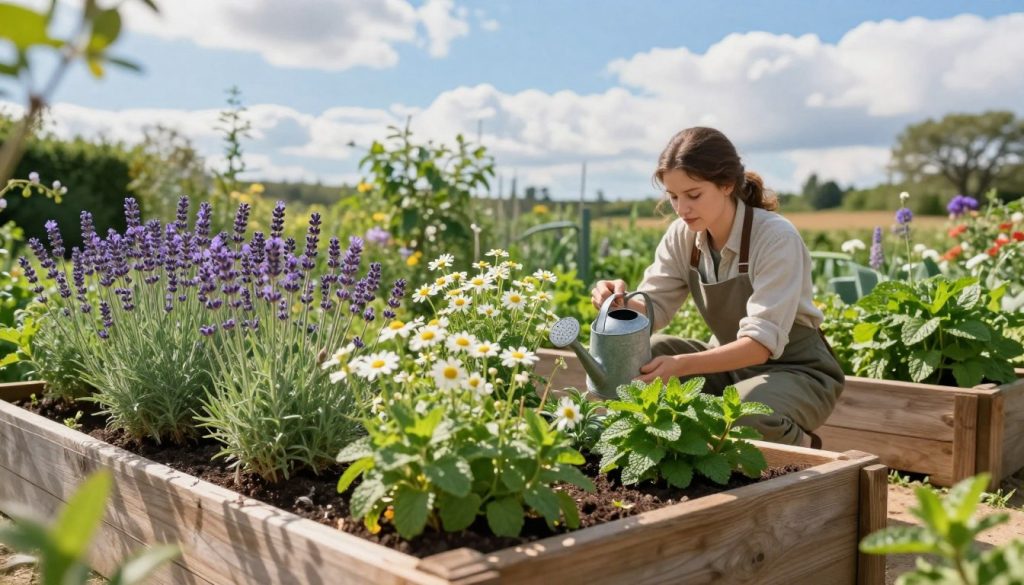
Creating a medicinal garden in your backyard or even in pots on your balcony can be a simple yet effective way to access natural remedies. By growing your own herbs, you have control over the cultivation process, ensuring that your plants are free from pesticides and other harmful chemicals.
Selecting the Right Herbs for Your Climate
The first step in creating a medicinal garden is selecting herbs that are suitable for your local climate. Choose plants that are native or well-adapted to your region to ensure they thrive with minimal maintenance. For example, if you live in a dry climate, herbs like Calendula and Lavender are excellent choices.
Cultivation Techniques for Potent Plants
To maximize the potency of your medicinal herbs, it’s crucial to employ proper cultivation techniques. This includes providing the right amount of sunlight, watering appropriately, and using organic fertilizers. Companion planting can also enhance the health and potency of your herbs.
Harvesting and Preserving Your Herbs
Harvesting your herbs at the right time is vital for maximizing their medicinal properties. Generally, herbs should be harvested just before they flower. After harvesting, dry the herbs properly to preserve their potency. You can store them in airtight containers to maintain freshness.
Creating Your Own Healing Herbs for Beginners Guide
The true power of healing herbs lies in understanding their unique properties and applications through personal experimentation. As you begin your journey into herbalism, it’s essential to develop a system that works for you.
Documenting Your Herbal Experiments
Keeping a detailed record of your herbal experiments is crucial. This involves noting the herbs used, the methods of preparation, and the outcomes. By doing so, you’ll be able to identify patterns and refine your approach over time.
Consider using a dedicated journal or digital tool to log your experiments. This will help you track your progress and make informed decisions about future experiments.
Building a Personalized Reference System
A personalized reference system allows you to tailor your knowledge to your specific needs. This can include creating charts or tables to compare the effectiveness of different herbs and preparation methods.
| Herb | Preparation Method | Effectiveness |
|---|---|---|
| Calendula | Salve | High |
| Ginger | Tea | Moderate |
| Turmeric | Tincture | High |
Tracking Results and Effectiveness
Tracking the results of your herbal experiments is vital to understanding what works best for you. By monitoring the effectiveness of different herbs and preparation methods, you can adjust your approach as needed.
“The art of healing is long, the art of making remedies is shorter, but the art of observing and recording is longest of all.” –
As you continue to document and track your herbal experiments, you’ll develop a deeper understanding of the healing properties of various herbs. This knowledge will empower you to create effective remedies tailored to your needs.
Transforming Plants into Medicine: Preparation Methods
Herbal preparations have been a cornerstone of natural healing for centuries, offering a variety of methods to harness their medicinal properties. The process of transforming plants into usable remedies involves several techniques, each with its own benefits and applications.
Step-by-Step Instructions for Teas and Infusions
One of the simplest and most popular methods of preparing herbal remedies is through teas and infusions. To make a medicinal tea, start by selecting high-quality, dried herbs. The general ratio is to use one teaspoon of dried herbs for every eight ounces of boiling water. Steep the herbs for 5-10 minutes, depending on the desired strength and the type of herb being used. Strain the mixture and enjoy. For infusions, which are typically stronger, use a larger amount of herbs and steep for a longer period, often in a covered container to prevent the loss of volatile oils.
Making Tinctures, Salves, and Poultices
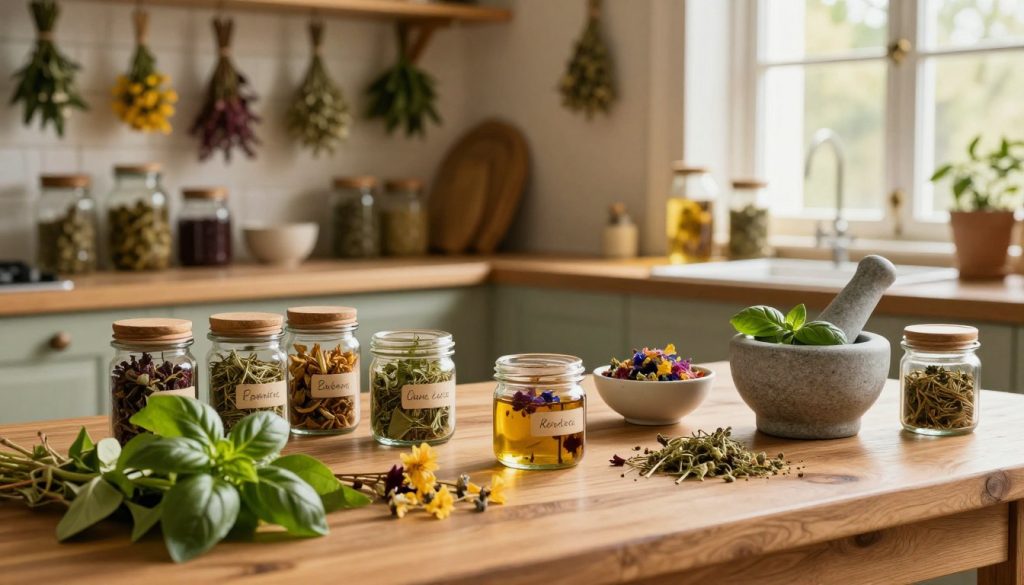
For more concentrated remedies, tinctures are an excellent option. To make a tincture, combine herbs with a solvent, usually alcohol or glycerin, in a jar. The mixture is left to steep for several weeks, shaking the jar daily, before being strained and bottled. Salves and balms are made by infusing herbs into oils, which are then mixed with beeswax to create a topical application. Poultices involve applying fresh or dried herbs directly to the skin, often wrapped in a cloth.
Equipment and Ingredients Needed
The equipment needed for these preparations includes glass jars, strainers, and for tinctures, a dark glass bottle. Ingredients will vary based on the remedy being made but typically include the herbs themselves, a solvent for tinctures, oils for salves, and beeswax. It’s essential to use high-quality ingredients and follow proper sanitation and safety guidelines to ensure the effectiveness and safety of the final product.
By mastering these preparation methods, individuals can unlock the full potential of herbal remedies, tailoring them to their specific health needs. Whether it’s a soothing tea, a potent tincture, or a protective salve, the art of herbal preparation offers a powerful tool for natural healing.
Herbal Safety: What Every Beginner Must Know
Herbal safety is a critical consideration for beginners looking to harness the power of nature’s remedies. While herbs can offer numerous health benefits, they can also interact with medications or cause allergic reactions if not used properly.
Potential Herb-Drug Interactions
One of the key aspects of herbal safety is understanding how different herbs can interact with prescription or over-the-counter medications. Certain herbs can enhance or inhibit the effects of drugs, leading to adverse reactions. For instance, St. John’s Wort is known to interact with a variety of medications, including antidepressants and blood thinners.
| Herb | Potential Interaction | Precaution |
|---|---|---|
| St. John’s Wort | Antidepressants, Blood Thinners | Consult a healthcare professional before use |
| Ginkgo Biloba | Blood Thinners, Diabetes Medications | Monitor blood sugar levels and bleeding risk |
Identifying Allergic Reactions
Allergic reactions to herbs can range from mild skin irritations to severe reactions. It’s essential to be aware of the signs of an allergic reaction, which include hives, itching, swelling, stomach cramps, diarrhea, and difficulty breathing. If you experience any of these symptoms, discontinue use and seek medical attention if necessary.
When to Consult Healthcare Professionals
If you’re considering using herbal remedies, especially if you have a pre-existing medical condition or are taking medications, it’s crucial to consult with a healthcare professional. They can provide guidance on safe usage and potential interactions. Always inform your healthcare provider about any herbal supplements you’re taking.
Conclusion: Embracing Nature’s Pharmacy
As we conclude our journey into the world of healing herbs, it’s clear that nature’s pharmacy holds a wealth of opportunities for improving our well-being. By understanding the ancient wisdom of herbal healing and setting up our own herbal apothecary, we’ve taken the first steps towards harnessing the power of natural healing.
With a deeper appreciation for the medicinal properties of plants, we can continue to explore the benefits of herbalism. By growing our own medicinal garden, creating our own remedies, and being mindful of herbal safety, we can fully integrate natural healing into our daily lives.
Embracing nature’s pharmacy is not just about adopting a new health practice; it’s about cultivating a deeper connection with the natural world. As we move forward, we encourage you to continue exploring the world of herbalism, experimenting with new herbs, and discovering the many ways that natural healing can enhance your life.