
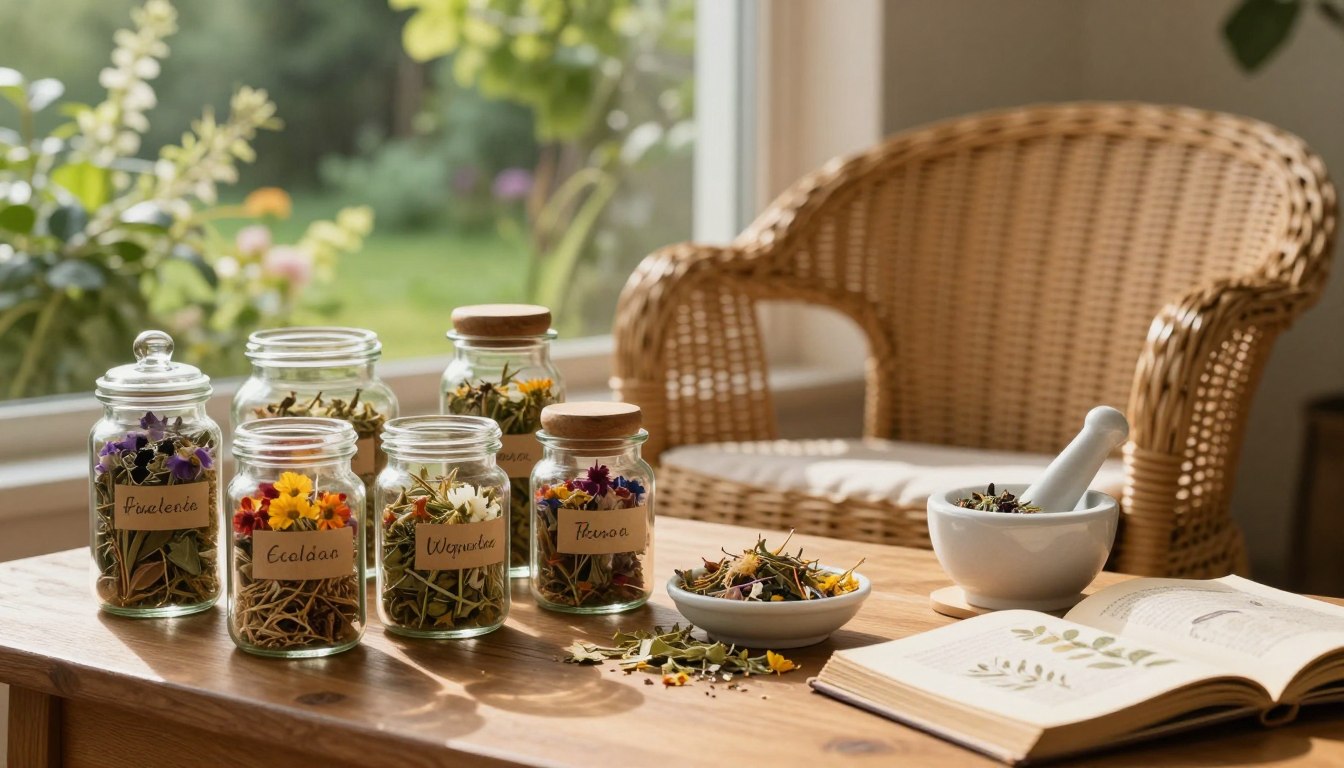
Are you tired of relying on synthetic medications and seeking a more natural approach to health? Can natural wellness practices really make a difference in your overall well-being?
Welcome to the world of herbal remedies, where traditional healing practices meet modern natural wellness. This beginner’s guide is designed to introduce you to the vast and fascinating realm of herbalism, providing you with the foundational knowledge to start your journey towards a healthier, more balanced lifestyle.
By exploring the basics of herbal remedies, you’ll discover how to incorporate natural wellness practices into your daily life, promoting a healthier you.
Key Takeaways
- Understanding the basics of herbalism
- Learning how to incorporate natural wellness practices into daily life
- Discovering the benefits of a healthier, more balanced lifestyle
- Getting started with simple herbal remedies
- Exploring the connection between nature and wellness
Understanding the World of Herbal Remedies
Herbal remedies have been a cornerstone of traditional medicine for centuries, providing a natural approach to health and wellness. These remedies, derived from plants, have been used across various cultures for their healing properties.
What Are Herbal Remedies?
Herbal remedies are preparations made from plants, including leaves, roots, flowers, and seeds, used to prevent or treat various health conditions. They can be consumed as teas, tinctures, or capsules, or applied topically as salves and balms.
The History and Philosophy Behind Herbalism
The use of herbal remedies is rooted in ancient traditions and philosophies that view health as a balance between nature and the human body. Herbalism emphasizes a holistic approach, considering the physical, emotional, and spiritual aspects of well-being.
Benefits of Using Natural Remedies
Using natural remedies can offer several benefits, including reduced side effects compared to synthetic drugs, a more sustainable approach to health, and a deeper connection to nature. Some of the key advantages include:
- Promoting overall wellness
- Supporting the body’s natural healing processes
- Offering a more affordable alternative to conventional medicine
Getting Started with Herbal Remedies for Beginners Guide
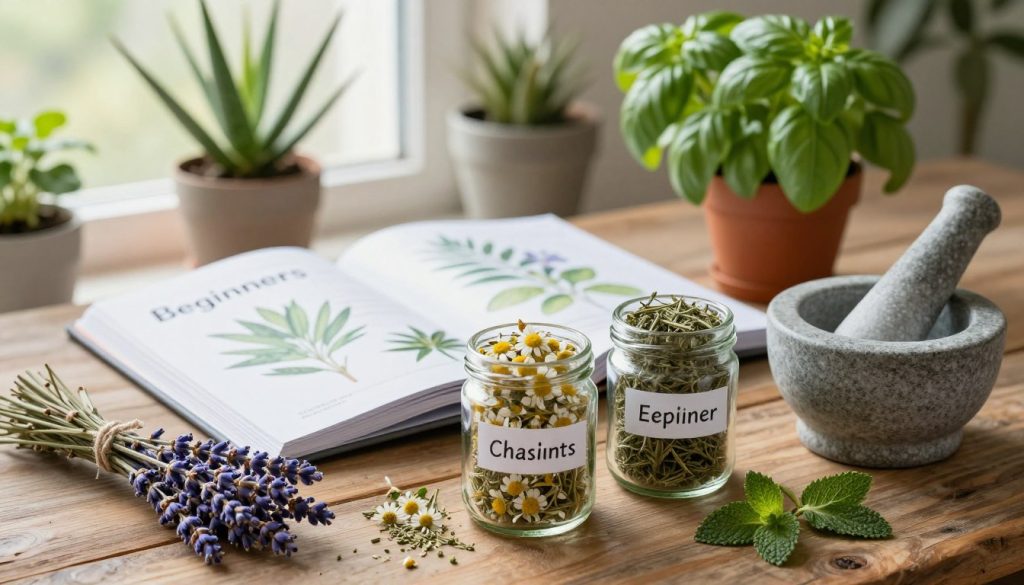
The world of herbal remedies is vast and rewarding; let’s explore the basics to get you started on your path to natural healing. As a beginner, it’s essential to understand the fundamentals of herbalism to harness its full potential.
Essential Tools and Supplies for the Novice Herbalist
To start your herbal journey, you’ll need some basic tools and supplies. These include a good mortar and pestle, a scale, and glass jars for storing your herbs and preparations. Investing in quality equipment will make a significant difference in your herbal practice.
Where to Source Quality Herbs and Ingredients
Sourcing high-quality herbs is crucial for effective herbal remedies. Look for reputable suppliers, local farmers’ markets, or consider growing your own herbs. Ensure that your herbs are organic and sustainably sourced to maximize their healing properties.
Building Your First Herbal Medicine Cabinet
Creating your first herbal medicine cabinet can be an exciting step in your herbal journey. Start by stocking must-have herbs for beginners such as calendula, chamomile, and ginger.
Must-Have Herbs for Beginners
- Calendula: Known for its anti-inflammatory properties.
- Chamomile: Used for its calming effects.
- Ginger: Valued for its digestive benefits.
Basic Equipment Checklist
- Mortar and pestle
- Glass jars for storage
- A scale for measuring ingredients
- Cheesecloth or a coffee filter for straining
By following these guidelines and starting with the basics, you’ll be well on your way to creating effective herbal remedies and enjoying the many benefits of natural wellness.
10 Common Healing Herbs and Their Properties
Exploring the world of herbal remedies can be a fascinating journey, especially when you discover that many common kitchen herbs have remarkable healing properties. For beginners, getting started with herbal remedies can seem overwhelming, but it’s actually quite straightforward. Many herbs commonly found in your kitchen or easily available at local health food stores can be used to create effective herbal remedies.
Everyday Kitchen Herbs with Healing Powers
Many of the herbs used in cooking also have significant health benefits. These herbs can be easily incorporated into your daily meals to enhance both flavor and well-being.
Thyme, Rosemary, and Sage
Thyme is known for its antiseptic properties and is often used to combat respiratory issues. Rosemary is celebrated for its ability to improve memory and cognitive function. Meanwhile, Sage has been used for centuries to soothe digestive issues and improve oral health.
Garlic, Ginger, and Turmeric
Garlic is renowned for its cardiovascular benefits and immune-boosting properties. Ginger has anti-inflammatory properties and is commonly used to alleviate nausea and digestive discomfort. Turmeric contains curcumin, a compound with potent anti-inflammatory and antioxidant properties.
Powerful Medicinal Herbs for Beginners
Beyond the kitchen, there are numerous medicinal herbs that are perfect for beginners. These herbs can be used to create a variety of herbal remedies, from teas and tinctures to salves and infusions.
Echinacea, Chamomile, and Peppermint
Echinacea is widely used to boost the immune system and fight off infections. Chamomile is a calming herb that can help with sleep and anxiety. Peppermint is known for its digestive benefits and can help alleviate headaches and nausea.
Lavender, Calendula, and Elderberry
Lavender is celebrated for its calming effects and is often used in skincare for its soothing properties. Calendula is used topically to heal wounds and soothe skin irritations. Elderberry is known for its antiviral properties and is often used to combat colds and flu.
These herbs are just the beginning of your journey into the world of herbal remedies. By incorporating them into your daily routine, you can start to experience the many benefits that herbalism has to offer.
Basic Preparation Methods for Herbal Remedies
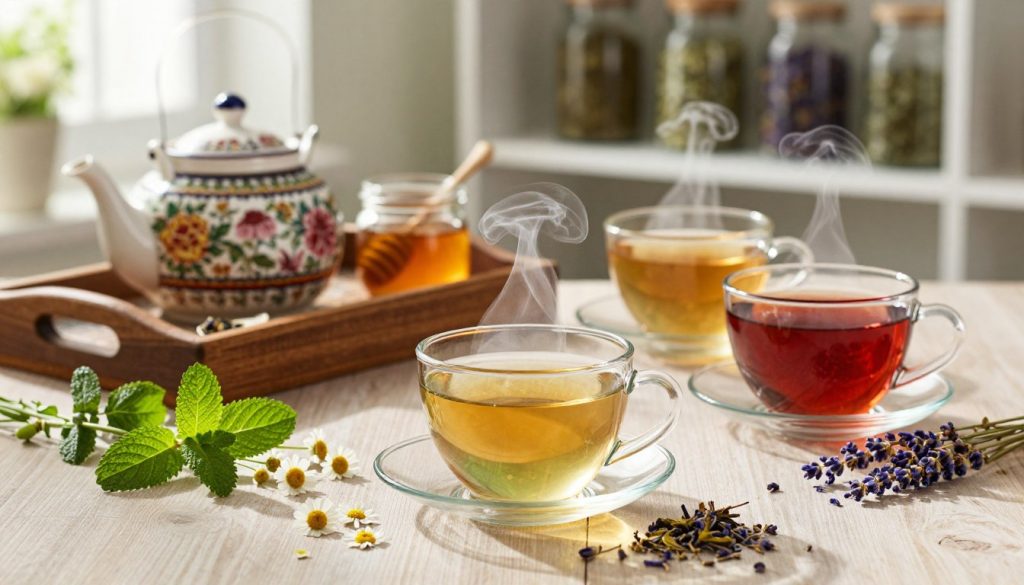
To unlock the full potential of herbs for health, understanding basic preparation methods is essential. Herbal remedies offer a natural approach to wellness, and learning how to prepare them can be a rewarding experience for beginners.
Making Herbal Teas and Infusions
One of the simplest ways to enjoy herbal remedies is by making teas and infusions. To make a tea, steep 1-2 teaspoons of dried herbs in boiling water for 5-10 minutes. For infusions, use a ratio of 1:4 (herb:water) and steep for a longer period, typically 15-30 minutes.
Example: Peppermint tea can be made by steeping dried peppermint leaves in boiling water, providing a refreshing and digestive-friendly beverage.
Creating Tinctures and Extracts
Tinctures are concentrated herbal extracts made by steeping herbs in a solvent, usually alcohol or glycerin. To create a tincture, combine 1 part herbs with 2-3 parts solvent and let it steep for 2-6 weeks, shaking daily.
Tip: Always use a clean glass container and store it in a cool, dark place to preserve the quality of the tincture.
Preparing Salves, Balms, and Poultices
Salves and balms are topical preparations that provide skin care benefits. To make a salve, combine infused herbal oils with beeswax and other ingredients like shea butter or essential oils. Poultices are topical applications made by crushing herbs and applying them directly to the skin.
“Herbal salves and balms are wonderful for skin care, providing nourishment and protection.” – Herbalist’s Guide
Simple Herbal Bath Blends and Body Care
Herbal bath blends can enhance your bathing experience, promoting relaxation and well-being. To create a simple bath blend, combine dried herbs like chamomile, lavender, and calendula, and add them to your bath water.
- Chamomile: Promotes relaxation and calms the mind.
- Lavender: Soothes and calms the skin.
- Calendula: Nourishes and moisturizes the skin.
By mastering these basic preparation methods, beginners can unlock the full potential of herbs for health and enjoy the benefits of natural wellness.
Safety Considerations and Best Practices
While herbal remedies offer numerous health benefits, their safe and effective use requires a thorough understanding of best practices. As you explore the world of herbalism, it’s crucial to be aware of the potential interactions between herbs and medications, as well as the proper methods for harvesting, drying, and storing herbs.
Understanding Herb-Drug Interactions
Herbal remedies can interact with prescription medications, either enhancing their effects or causing adverse reactions. For instance, St. John’s Wort can interact with antidepressants, while Ginkgo Biloba may increase the risk of bleeding when taken with anticoagulants. It’s essential to consult with a healthcare professional before combining herbal remedies with conventional medications.
Proper Harvesting, Drying, and Storage
To maintain the potency and safety of herbal remedies, proper harvesting, drying, and storage techniques are vital. This includes drying herbs away from direct sunlight and moisture, storing them in airtight containers, and labeling them clearly. Proper storage helps preserve the herb’s active ingredients and prevents contamination.
When to Consult a Professional Herbalist
While many herbal remedies are safe for general use, certain situations require professional guidance. If you’re considering using herbal remedies for a serious health condition, or if you’re unsure about potential interactions with medications, consulting a professional herbalist can provide valuable insights and help you make informed decisions.
Special Considerations for Children, Elderly, and Pregnant Women
Certain populations, such as children, the elderly, and pregnant women, may require special considerations when using herbal remedies. For example, some herbs may not be suitable for children due to their potency, while pregnant women should avoid herbs that could stimulate uterine contractions. Always consult with a healthcare provider before using herbal remedies in these groups.
By understanding and adhering to these safety considerations and best practices, you can enjoy the benefits of herbal remedies while minimizing potential risks.
- Be aware of herb-drug interactions
- Properly harvest, dry, and store herbs
- Consult a professional herbalist when needed
- Consider special needs for vulnerable populations
Conclusion: Your Journey to Natural Wellness Begins
As you finish this beginner’s guide to herbal remedies, you’re now equipped to start your journey to natural wellness. Exploring holistic remedies for newbies can be a rewarding experience, allowing you to connect with nature and enhance your well-being.
By applying the knowledge gained from this guide, you can begin to integrate natural remedies for beginners into your daily life. This path to holistic health is both personal and profound, offering a world of possibilities for those seeking a more natural approach to wellness.
Embarking on this journey, you’ll discover the benefits of herbalism and how it can positively impact your life. With the right mindset and resources, you’ll be well on your way to achieving a more balanced and healthy lifestyle.