
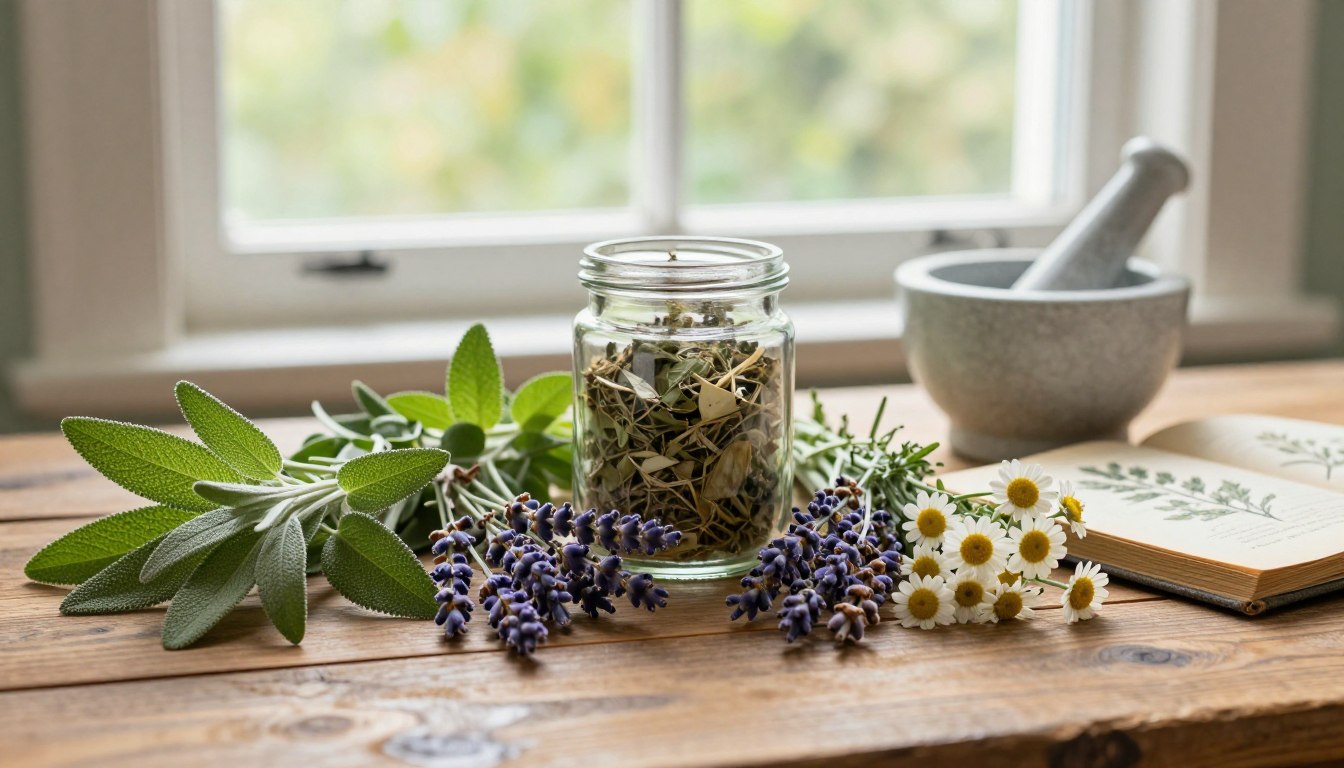
Are you seeking a more natural approach to health and wellness? In recent years, herbal medicine has gained significant attention for its potential to provide effective and gentle solutions.
The use of natural treatments has become increasingly popular as people look for alternatives to conventional medicine. Herbal remedies offer a wide range of benefits, from promoting relaxation to supporting immune function.
Key Takeaways
- Herbal medicine is a growing field in natural health.
- Natural treatments offer alternatives to conventional medicine.
- Herbal remedies provide various health benefits.
- They can be used to promote relaxation and support immune function.
- Herbal remedies are becoming increasingly popular.
Understanding the World of Herbal Medicine
With a history spanning millennia, herbal medicine continues to be a vital part of global healthcare traditions. The use of plants for healing purposes dates back to ancient civilizations, where they were used not only for their medicinal properties but also for spiritual and cultural practices.
The Ancient Roots of Herbal Healing
Herbal healing has its roots in traditional practices passed down through generations. Many cultures have relied on the medicinal properties of plants to treat various health conditions. The knowledge of which plants to use and how to prepare them has been preserved through oral traditions and written records.
How Herbal Remedies Work in the Body
Herbal remedies work by introducing active compounds into the body, which then interact with biological systems to produce therapeutic effects. Understanding how these compounds work is crucial to appreciating the value of herbal medicine.
Active Compounds in Medicinal Plants
Medicinal plants contain a variety of active compounds, including alkaloids, glycosides, and terpenes. These compounds are responsible for the therapeutic effects of herbal remedies.
Bioavailability and Absorption Factors
The effectiveness of herbal remedies depends on the bioavailability of their active compounds. Factors such as the method of preparation, the presence of other compounds, and individual digestive health can influence how well these compounds are absorbed by the body.
| Active Compound | Plant Source | Therapeutic Effect |
|---|---|---|
| Alkaloids | Turmeric, Ginger | Anti-inflammatory |
| Glycosides | Foxglove, Senna | Cardiac and Laxative Effects |
| Terpenes | Lavender, Peppermint | Calming and Digestive Aid |
The Most Popular Herbal Remedies Explained
As we explore the most popular herbal remedies, it’s essential to understand what makes them stand out and whether they are backed by science. The popularity of an herbal remedy can be influenced by various factors, including cultural traditions, marketing, and personal recommendations.
What Makes a Remedy “Popular” and Effective
A remedy becomes popular often due to a combination of its perceived effectiveness, cultural significance, and ease of access. For instance, ginger has been widely used for digestive issues, not just because of its efficacy but also due to its availability and cultural acceptance.
The effectiveness of herbal remedies can be attributed to their bioactive compounds. For example, Turmeric contains curcumin, which has potent anti-inflammatory properties.
Scientific Research Behind Herbal Treatments
Scientific research plays a crucial role in validating the effectiveness of herbal remedies. Studies on Echinacea, for instance, have shown its potential in boosting the immune system, although results are mixed.
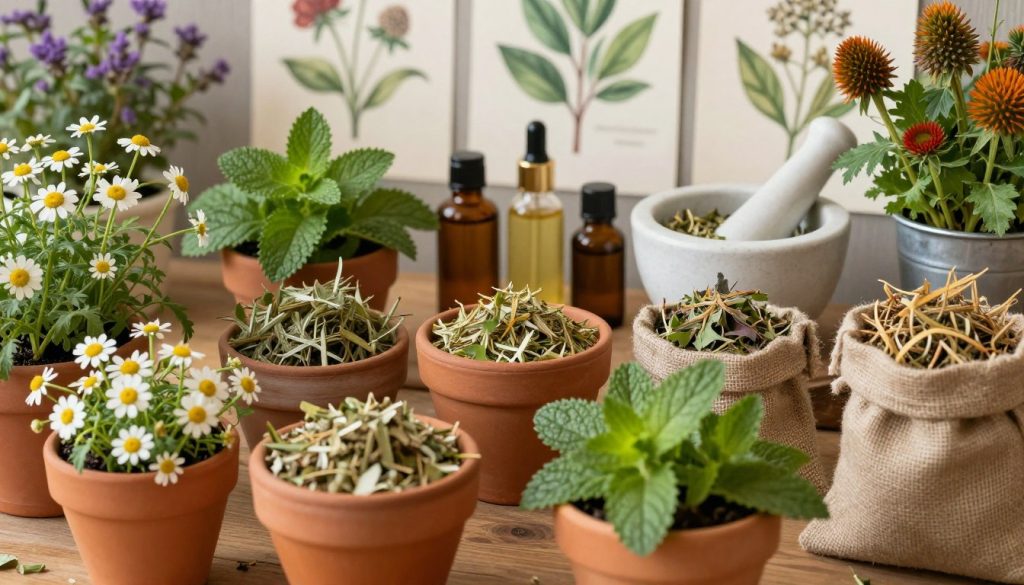
A comprehensive review of scientific literature reveals that some herbal remedies have robust evidence supporting their use, while others lack substantial backing.
| Herbal Remedy | Traditional Use | Scientific Evidence |
|---|---|---|
| Ginger | Digestive aid | Anti-inflammatory properties |
| Turmeric | Anti-inflammatory | Curcumin’s anti-inflammatory effects |
| Echinacea | Immune booster | Mixed results on immune system support |
Distinguishing Between Traditional Use and Proven Benefits
It’s crucial to differentiate between the traditional use of herbal remedies and their proven benefits through scientific research. While traditional use provides valuable insights, scientific validation is essential for understanding their true efficacy and safety.
By combining traditional knowledge with modern scientific research, we can better understand the potential benefits and limitations of popular herbal remedies.
Powerful Herbs for Immune Support
Supporting immune function through herbal remedies is a practice rooted in tradition and backed by science. Certain herbs have been used for centuries to boost our body’s natural defenses against illness.
Echinacea: The Cold Fighter
Echinacea is one of the most popular herbs for immune support, known for its ability to fight off the common cold. It comes in various forms, making it versatile for different needs.
How to Use: Teas, Tinctures, and Capsules
You can enjoy echinacea as a soothing tea, take it as a tincture for a more concentrated dose, or opt for capsules for convenience. Here are some ways to incorporate it into your routine:
- Drink echinacea tea at the first sign of a cold
- Take 20-30 drops of echinacea tincture three times a day
- Follow the recommended dosage on echinacea capsules
Elderberry: Nature’s Flu Remedy
Elderberry is renowned for its effectiveness against the flu. It’s rich in antioxidants and has antiviral properties.
Preparing Elderberry Syrup at Home
Making elderberry syrup at home is simple and rewarding. Here’s a basic recipe:
- Combine elderberries with water and simmer
- Strain the mixture and mix with honey
- Store the syrup in the refrigerator
Astragalus: The Long-Term Immune Builder
Astragalus is a herb that supports long-term immune health. It’s often used in traditional Chinese medicine to enhance the body’s natural defenses.
By incorporating these herbs into your daily routine, you can take a proactive approach to supporting your immune system. Whether you’re looking to prevent illness or recover from it, echinacea, elderberry, and astragalus offer powerful natural solutions.
Herbal Solutions for Stress and Anxiety
In today’s fast-paced world, stress and anxiety have become unwelcome companions for many, making natural remedies like herbal solutions increasingly appealing. Herbal remedies offer a gentle yet effective approach to managing stress and anxiety.
Ashwagandha: The Adaptogen Powerhouse
Ashwagandha is renowned for its adaptogenic properties, helping the body to adapt to stress and promoting balance. Studies have shown that ashwagandha can significantly reduce cortisol levels, thereby alleviating stress.
Recommended Forms and Dosages
Ashwagandha is available in various forms, including capsules, powders, and teas. The recommended dosage varies, but typically ranges from 300 to 500 mg per day.
Valerian Root: Nature’s Tranquilizer
Valerian root is a natural sedative, known for its ability to promote relaxation and improve sleep quality. It works by enhancing the effects of GABA, a neurotransmitter that helps regulate calmness.
Lavender: Calming Mind and Body
Lavender is celebrated for its calming properties, often used in aromatherapy to reduce anxiety. Inhaling lavender oil can have a soothing effect on the mind and body.
Creating a Lavender Sleep Sachet
To create a lavender sleep sachet, simply fill a small cloth bag with dried lavender flowers and place it near your pillow. This can help promote a restful night’s sleep.

Digestive Health Herbs and Their Applications
Herbal remedies have been used for centuries to support digestive health, offering a natural solution to common problems. Various herbs have been found to alleviate symptoms of digestive discomfort, promoting overall well-being.
Ginger: The Versatile Digestive Aid
Ginger is renowned for its digestive benefits, helping to alleviate nausea and reduce inflammation. To harness its benefits, you can make a soothing ginger tea.
Step-by-Step Fresh Ginger Tea Recipe
- Slice a 1-inch piece of fresh ginger.
- Boil 2 cups of water in a pot.
- Add the sliced ginger to the boiling water.
- Reduce heat and simmer for 5-7 minutes.
- Strain the tea into a cup and enjoy.
Peppermint: Soothing Intestinal Discomfort
Peppermint is another herb that is highly effective in soothing digestive issues, particularly intestinal discomfort. Its calming effects can help reduce symptoms of irritable bowel syndrome (IBS).
Fennel: The Gas and Bloating Reliever
Fennel seeds are known to relieve gas and bloating, making it a popular remedy for digestive discomfort. You can make fennel seed water to aid digestion.
Making Fennel Seed Water for Digestion
- Crush 1 teaspoon of fennel seeds.
- Add the crushed seeds to 1 cup of boiling water.
- Let it steep for 5-10 minutes.
- Strain and drink the water.
By incorporating these herbs into your daily routine, you can promote digestive health and alleviate common digestive issues. Whether through teas, infusions, or simply adding them to your meals, these natural remedies can make a significant difference.
How to Properly Prepare Herbal Remedies
Preparing herbal remedies at home can be a rewarding experience, allowing you to harness the full potential of nature’s medicine. With a few simple steps, you can create effective remedies that promote health and wellness.
Step 1: Selecting Quality Herbs
The quality of your herbal remedies starts with the herbs themselves. Look for high-quality, organic herbs that are free from contaminants and pesticides. Consider sourcing herbs from reputable suppliers or growing your own.
Step 2: Making Effective Herbal Teas and Infusions
Herbal teas and infusions are among the simplest ways to prepare herbal remedies. To make an effective tea, use 1-2 teaspoons of dried herb per cup of boiling water. Steep for 5-10 minutes, depending on the herb, and strain before drinking.
Step 3: Creating Tinctures and Extracts
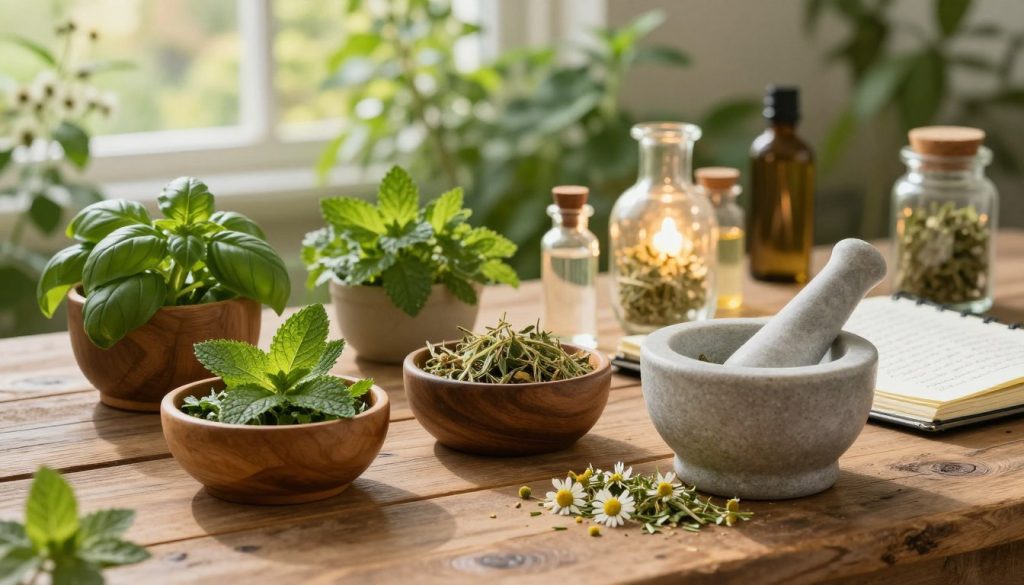
Tinctures are concentrated herbal extracts made by steeping herbs in a solvent, usually alcohol or glycerin. To create a tincture, combine 1 part herb with 2 parts solvent in a clean glass jar. Store in a cool, dark place for 2-4 weeks, shaking daily.
Equipment Needed for Home Preparations
To prepare herbal remedies at home, you’ll need a few basic pieces of equipment, including a glass jar, cheesecloth, and a measuring cup. For tinctures, you’ll also need a solvent and a dropper bottle.
Step 4: Proper Storage of Herbal Preparations
Proper storage is crucial to maintaining the potency of your herbal remedies. Store teas and infusions in airtight containers in a cool, dark place. Tinctures should be kept in dark glass bottles, away from direct sunlight.
Safety Considerations When Using Herbal Treatments
The safety of herbal treatments is a multifaceted issue that involves understanding potential herb-drug interactions and product quality. While herbal remedies can offer numerous health benefits, they can also pose risks if not used properly.
Potential Herb-Drug Interactions to Watch For
Herbal remedies can interact with prescription medications, sometimes leading to adverse effects. For instance, St. John’s Wort can interfere with the efficacy of certain antidepressants and blood thinners.
Identifying Quality Herbal Products
To ensure safety, it’s crucial to identify high-quality herbal products. This involves:
- Checking for third-party certifications like NSF International or ConsumerLab.com
- Reading labels carefully for ingredients and instructions
- Being aware of the manufacturer’s reputation
Reading Labels and Certifications
Understanding labels and certifications is key to making informed decisions. Look for clear ingredient lists and any relevant certifications that ensure the product meets certain standards.
When to Consult a Healthcare Professional
It’s advisable to consult a healthcare professional before starting any herbal treatment, especially if you’re already on medication or have a chronic health condition. They can provide guidance on safe usage and potential interactions.
Conclusion: Integrating Herbal Remedies Into Your Wellness Routine
As we’ve explored throughout this article, herbal remedies offer a natural and effective way to enhance overall health and well-being. By understanding the various herbs and their applications, you can create a personalized wellness routine that incorporates the benefits of herbal medicine.
To start integrating herbal remedies into your daily life, begin by identifying your specific health needs, whether it’s immune support, stress relief, or digestive health. Then, explore the various herbal options available, such as Echinacea, Ashwagandha, or Ginger, and choose the ones that best suit your requirements.
Proper preparation and safety considerations are also crucial when using herbal remedies. By following the guidelines outlined in this article, you can ensure a safe and effective herbal remedies integration into your wellness routine.
By incorporating herbal remedies into your daily routine, you can take a proactive approach to maintaining your health and promoting overall wellness. Start your herbal journey today and experience the benefits of a more balanced and healthy lifestyle.