
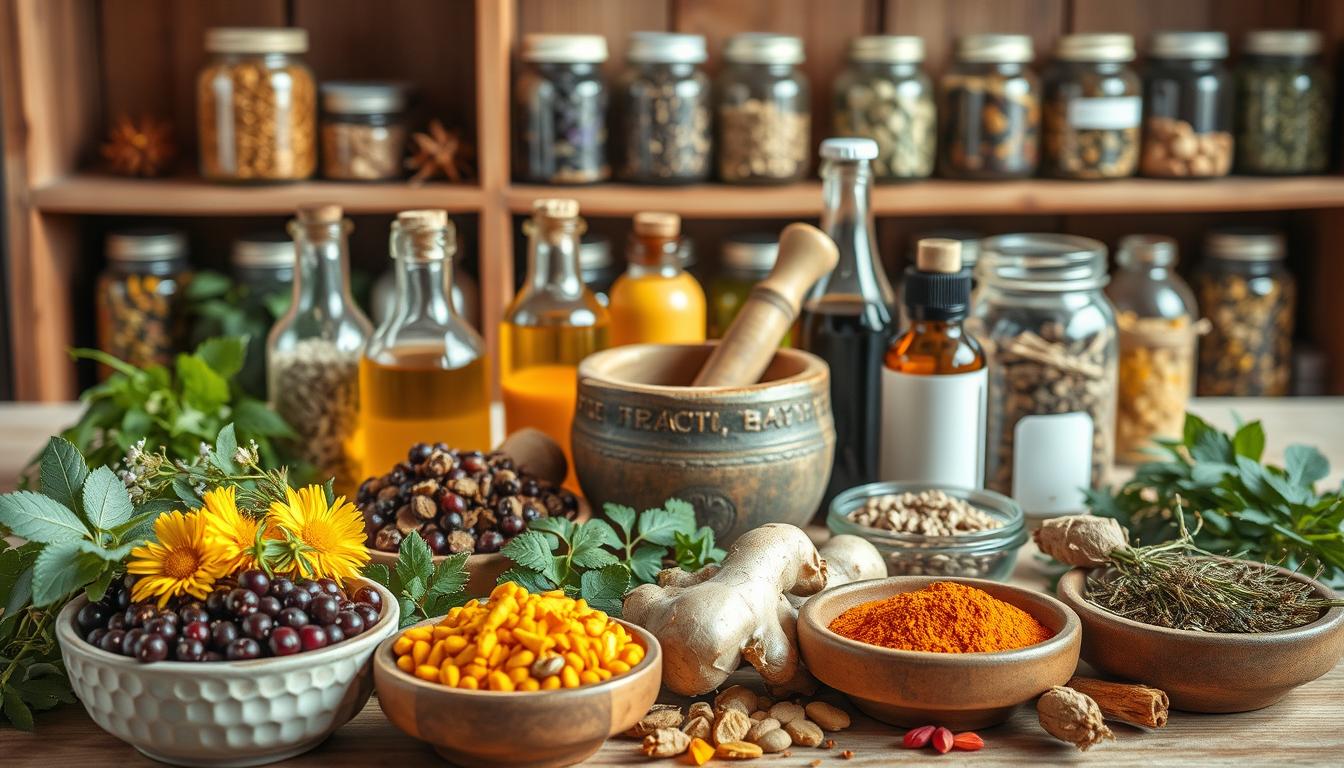
Are you tired of relying on modern medicine to fight off illnesses? Have you ever wondered if there’s a more holistic way to strengthen your immunity? The answer lies in the ancient world of herbal remedies, where plants and botanicals have been used for centuries to promote overall health and well-being.
This article will explore the most effective natural remedies to boost your immune system, helping you to stay healthy and resilient in a world filled with pathogens and stressors.
Key Takeaways
Table of Contents
- Discover the most potent herbs for immune system support
- Learn how to incorporate these herbs into your daily routine
- Understand the science behind how these remedies work
- Explore the benefits of using natural remedies for immunity
- Get tips on combining herbal remedies with a healthy lifestyle
The Science of Herbal Immunity Support
The connection between herbal remedies and immune system support is rooted in science. Herbal supplements for the immune system have been used for centuries, but understanding their effectiveness requires a look at how they interact with our immune function.
How Your Immune System Protects Your Body
Your immune system is your body’s defense against pathogens, functioning through a complex network of cells, tissues, and organs. White blood cells play a crucial role in identifying and destroying harmful invaders. A healthy immune system can differentiate between the body’s own cells and foreign substances, mounting a response to protect your overall health.
Why Herbs Can Effectively Boost Immune Function
Certain herbs are known to enhance immune function by stimulating the activity of immune cells or by providing essential nutrients that support immune health. Immune-boosting herbs like echinacea and elderberry have been studied for their potential to support immune response. These herbs can be used in various forms, from teas to tinctures, offering a natural way to support your immune system.
By incorporating these herbs into your daily routine, you can potentially strengthen your immune system and improve your overall well-being.
Top Natural Herbal Remedies for Immunity
When it comes to supporting your immune system, nature has provided us with an array of powerful herbal allies. These natural immunity boosters have been used for centuries to enhance overall health and resilience against infections.
Echinacea: The Immune Warrior
Echinacea is one of the most popular herbal remedies for immune support, known for its ability to boost the body’s natural defenses. It comes in various forms, including teas, tinctures, and capsules.
How to Use Echinacea Effectively
For maximum effectiveness, start taking echinacea at the onset of symptoms. It can be consumed as a tea by steeping dried flowers in hot water or taken as a tincture.
Best Forms and Dosages
The recommended dosage varies by form. For tinctures, 2-3 ml three times a day is common, while capsules typically range from 300-500 mg three times daily.
Elderberry: Nature’s Antiviral Shield
Elderberry is renowned for its antiviral properties, making it a potent remedy against colds and flu. It’s available in syrups, gummies, and capsules.
Preparing Elderberry Syrup at Home
To make elderberry syrup, combine dried elderberries with water and honey, then simmer until the mixture reduces into a syrupy consistency.
When and How to Take Elderberry
Take elderberry syrup once or twice daily for preventive care. During outbreaks, you can increase the frequency to three times a day.
Astragalus: The Long-Term Immune Builder
Astragalus is a herb used in traditional Chinese medicine to enhance immune function over the long term. It’s often consumed as a tea or added to soups.
Garlic: The Everyday Immune Booster
Garlic is a staple in many kitchens and is valued for its immune-boosting properties. It can be consumed raw or cooked in various dishes.
Ginger: The Anti-Inflammatory Powerhouse
Ginger is known for its anti-inflammatory properties, which can help in reducing the severity of colds and flu. It’s commonly consumed as tea or added to meals.
Here’s a summary of these herbal remedies and their uses:
| Herbal Remedy | Primary Use | Common Forms |
|---|---|---|
| Echinacea | Immune Support | Teas, Tinctures, Capsules |
| Elderberry | Antiviral | Syrups, Gummies, Capsules |
| Astragalus | Long-term Immune Building | Teas, Soups |
| Garlic | Everyday Immune Boost | Raw, Cooked |
| Ginger | Anti-Inflammatory | Teas, Culinary |

Creating Powerful Herbal Remedies in Your Kitchen
With just a few simple ingredients and some basic equipment, you can start creating powerful herbal remedies right at home. This not only allows you to take control of your health but also ensures that you’re using natural ingredients that are free from additives and preservatives.
Step-by-Step Guide to Immune-Boosting Teas and Infusions
Making teas and infusions is one of the simplest ways to enjoy the benefits of herbs. To get started, you’ll need a few essential pieces of equipment.
Essential Equipment Needed
You’ll need a tea infuser or strainer, a kettle, and a cup or teapot. For a more authentic experience, consider using a ceramic or glass teapot, as metal can sometimes affect the taste of the herbs.
Perfect Brewing Techniques
To brew the perfect cup, use boiling water and let the herbs steep for 5-10 minutes, depending on the herb and your desired strength. Strain and enjoy!
| Herb | Steeping Time | Benefits |
|---|---|---|
| Echinacea | 5 minutes | Boosts immune system |
| Ginger | 7 minutes | Aids digestion and reduces nausea |
| Elderberry | 10 minutes | Rich in antioxidants and supports immune function |
Making Effective Herbal Tinctures and Extracts
Tinctures are concentrated herbal extracts that can be made using alcohol or glycerin. They offer a potent way to support your immune system. To make a tincture, combine your chosen herbs with a solvent in a jar, and let it sit for a few weeks, shaking it daily.
Crafting Delicious Medicinal Syrups and Honeys
Syrups and honeys infused with herbs make for a tasty and effective way to support your health. Simply combine your herbs with honey or a sugar syrup, and let it infuse before straining and bottling.
Daily Herbal Protocols for Year-Round Immune Support
A well-crafted daily herbal protocol can be the cornerstone of year-round immune support. By incorporating immunity-boosting botanicals into your daily routine, you can enhance your immune system’s resilience and overall health.
Morning Routine: Wake Up Your Immune System
Starting your day with the right herbal remedies can set a positive tone for your immune system. Consider beginning with a warm cup of Echinacea tea or an Elderberry infusion to stimulate your immune response.
Midday Boosters: Sustain Immune Function Throughout the Day
To maintain momentum, incorporate midday boosters such as Garlic capsules or a refreshing Ginger tea. These immunity-boosting botanicals can help sustain your immune function throughout the day.
Evening Remedies: Support Overnight Immune Recovery
As the day comes to a close, support your immune system’s recovery with evening remedies like Astragalus root tea or a soothing herbal infusion. This can help your body recover and prepare for the next day.
| Time of Day | Herbal Remedy | Benefit |
|---|---|---|
| Morning | Echinacea Tea | Stimulates immune response |
| Midday | Garlic Capsules | Sustains immune function |
| Evening | Astragalus Root Tea | Supports immune recovery |

Seasonal Immune Protection Strategies
To maintain robust immunity, it’s essential to understand how seasonal variations impact our health. Different seasons bring unique challenges to our immune system, from the allergens of spring to the respiratory viruses of winter. By adapting our herbal protocols to these seasonal changes, we can provide our immune system with the support it needs to stay strong.
Spring and Summer: Building Resilience
During spring and summer, our focus should be on building resilience against allergens and heat-related stress. Herbs like echinacea and elderberry are excellent choices for enhancing immune function. Additionally, herbs with anti-inflammatory properties, such as turmeric and ginger, can help mitigate the effects of seasonal allergies.
Fall and Winter: Defending Against Seasonal Challenges
As fall and winter approach, our immune systems face new challenges, including influenza and other respiratory viruses. This is the time to emphasize herbs with antiviral properties, such as garlic and astragalus. Incorporating these herbs into our daily routine can help fortify our defenses against seasonal illnesses.
Transitional Seasons: Adapting Your Herbal Protocol
The periods between seasons are critical times to adjust our herbal protocols. During these transitions, our bodies are more susceptible to imbalance. Adaptogenic herbs like ashwagandha can help our bodies adjust to the changing environmental conditions, supporting overall immune health.
| Season | Immune Challenges | Recommended Herbs |
|---|---|---|
| Spring | Allergens, Pollen | Echinacea, Elderberry |
| Summer | Heat Stress | Turmeric, Ginger |
| Fall | Influenza, Respiratory Viruses | Garlic, Astragalus |
| Winter | Cold, Flu | Garlic, Astragalus |
Safety Considerations and Best Practices
Herbal remedies can be powerful allies in supporting your immune system, but they must be used judiciously. As you incorporate these natural solutions into your health regimen, it’s essential to be aware of potential interactions and considerations to ensure safe and effective use.
Understanding Herb-Drug Interactions
Some herbal remedies can interact with prescription medications, either enhancing their effects or causing adverse reactions. For instance, echinacea may interact with immunosuppressant drugs, while garlic can amplify the effects of blood thinners. Always consult with your healthcare provider before combining herbal remedies with conventional medications.
Special Considerations for Children and Pregnant Women
Certain populations, such as children and pregnant women, require special caution when using herbal remedies. Some herbs, like goldenseal, are not recommended during pregnancy due to potential uterine stimulant effects. Always consult with a healthcare professional before administering herbal remedies to children or using them during pregnancy or breastfeeding.
Signs That You Need Professional Medical Care
While herbal remedies can support immune function, they are not a substitute for medical care. If you experience persistent or severe symptoms, such as high fever, difficulty breathing, or signs of an allergic reaction, seek immediate medical attention. Additionally, if you’re not seeing improvements or if your symptoms worsen, consult with a healthcare professional to reassess your health strategy.

Conclusion: Building Your Personalized Herbal Immunity Plan
Now that you’ve explored the world of natural herbal remedies for immunity, it’s time to create a personalized plan that suits your lifestyle and health goals. By incorporating herbal supplements for your immune system into your daily routine, you can strengthen your body’s defenses and enhance overall well-being.
Start by selecting a few herbs that resonate with you, such as echinacea, elderberry, or astragalus, and experiment with different preparations like teas, tinctures, or infused honeys. Consider your individual needs and health status, and be mindful of potential interactions with any medications you’re currently taking.
As you embark on this herbal journey, remember to be patient and observant. Track your progress, and adjust your approach as needed. By combining these natural herbal remedies for immunity with a balanced lifestyle, you’ll be well on your way to a more resilient you.